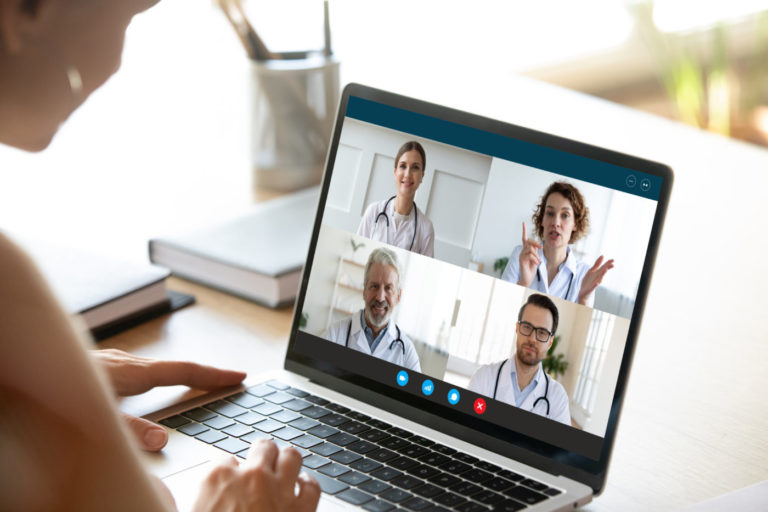
Understanding the Impact of Telehealth on Patient Care
Telehealth has transformed the way healthcare is delivered, especially in the wake of the COVID-19 pandemic. It allows healthcare providers to reach patients remotely, ensuring continuity of care while minimizing the risk of virus transmission.
Studies have shown that telehealth can improve patient engagement and satisfaction, as it offers convenience and accessibility. For instance, a survey indicated that over 75% of patients valued the ability to consult with their healthcare providers from home, demonstrating the effectiveness of telehealth in maintaining patient-provider relationships.
Strategies for Managing Physician Burnout
Physician burnout has become a critical issue in the healthcare sector, exacerbated by the pressures of the pandemic. Implementing effective strategies to manage burnout is essential to maintaining a healthy workforce and ensuring quality patient care.
Organizations can adopt measures such as flexible scheduling, mental health resources, and peer support programs. For example, institutions that have integrated wellness initiatives report a significant reduction in burnout rates, showcasing the importance of prioritizing physician well-being in healthcare settings.
Innovations in Healthcare Data Management
Effective data management is crucial for healthcare organizations to enhance operational efficiency and patient outcomes. Innovations in technology are paving the way for more streamlined processes and improved data accessibility.
For instance, the integration of artificial intelligence and machine learning in data management systems allows for predictive analytics, helping organizations anticipate patient needs and allocate resources more effectively. These advancements not only improve workflow but also enhance the quality of care provided to patients.
Future Trends in Ambulatory Care Post-COVID-19
The COVID-19 pandemic has accelerated changes in ambulatory care, leading to new trends that will shape the future of healthcare delivery. Understanding these trends is vital for healthcare providers to adapt and thrive in the evolving landscape.
One significant trend is the increased reliance on digital health tools, such as remote monitoring and telemedicine platforms. As patients become more accustomed to these technologies, healthcare providers must embrace these changes to meet patient expectations and improve care delivery in a post-pandemic world.