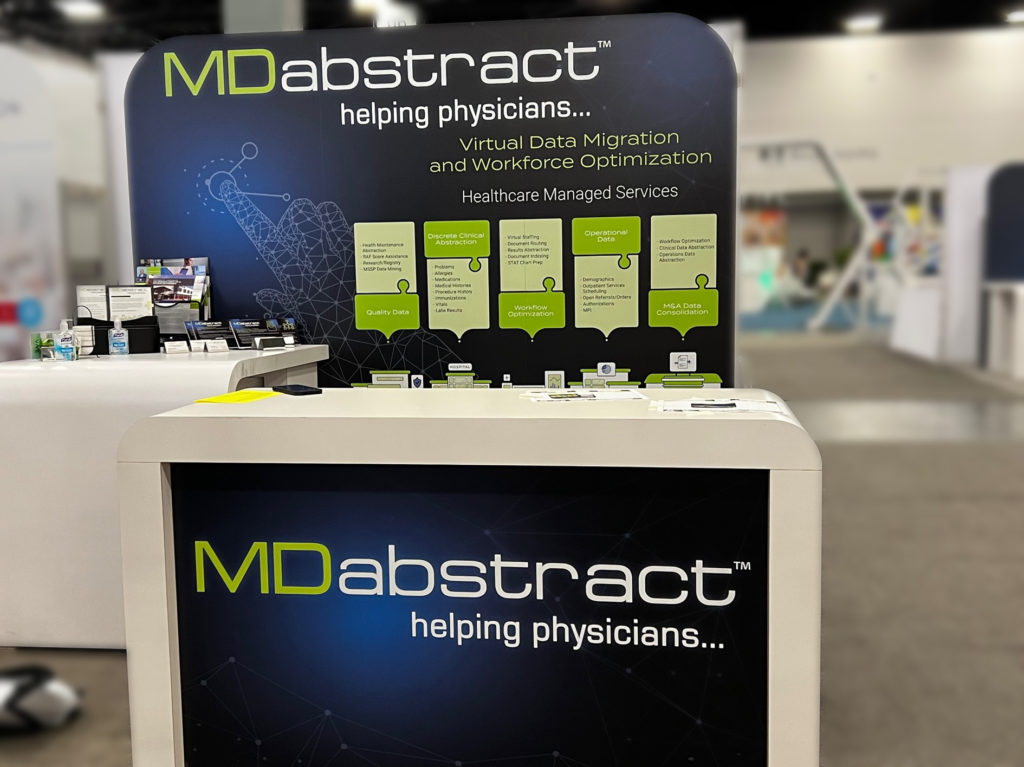
Key Insights from Healthcare CIOs
Healthcare Chief Information Officers (CIOs) play a pivotal role in shaping technology adoption within their organizations. At the ViVE & HIMSS22 conferences, CIOs shared critical insights regarding the future of healthcare technology, emphasizing the need for robust data management systems and innovative solutions to enhance patient care.
For instance, many CIOs highlighted the importance of integrating AI and machine learning into existing healthcare frameworks. This integration not only streamlines operations but also enables predictive analytics, which can significantly improve patient outcomes by anticipating healthcare needs before they arise.
Emerging Trends in Healthcare Technology
The landscape of healthcare technology is rapidly evolving, with new trends emerging that promise to transform the industry. Attendees of the ViVE & HIMSS22 conferences discussed several key trends, including telehealth expansion, the rise of digital therapeutics, and the increasing use of wearable health technology.
These trends are not just buzzwords; they represent a shift towards more patient-centric care models. For example, the adoption of telehealth has surged, making healthcare more accessible to patients regardless of their location, while wearable devices provide real-time health monitoring, empowering patients to take charge of their health.
Virtual Staffing Solutions in Healthcare
As healthcare organizations face staffing shortages, virtual staffing solutions have emerged as a viable strategy to maintain operational efficiency. The discussions at the ViVE & HIMSS22 conferences underscored how these solutions can help healthcare providers access a broader talent pool while reducing overhead costs.
For instance, virtual staffing can include telehealth practitioners, administrative support, and IT specialists, allowing healthcare facilities to focus on patient care without compromising on quality or service delivery. This flexibility is crucial in a post-pandemic world where adaptability is key to success.
Strategies for Effective Data Management
Effective data management is essential for healthcare organizations looking to leverage data for improved decision-making. The insights shared during the ViVE & HIMSS22 conferences highlighted various strategies that organizations can adopt to enhance their data management practices.
One prominent strategy involves employing advanced data analytics tools that can process vast amounts of health information efficiently. By utilizing these tools, healthcare providers can gain actionable insights, leading to better resource allocation, improved patient care, and enhanced operational efficiency.